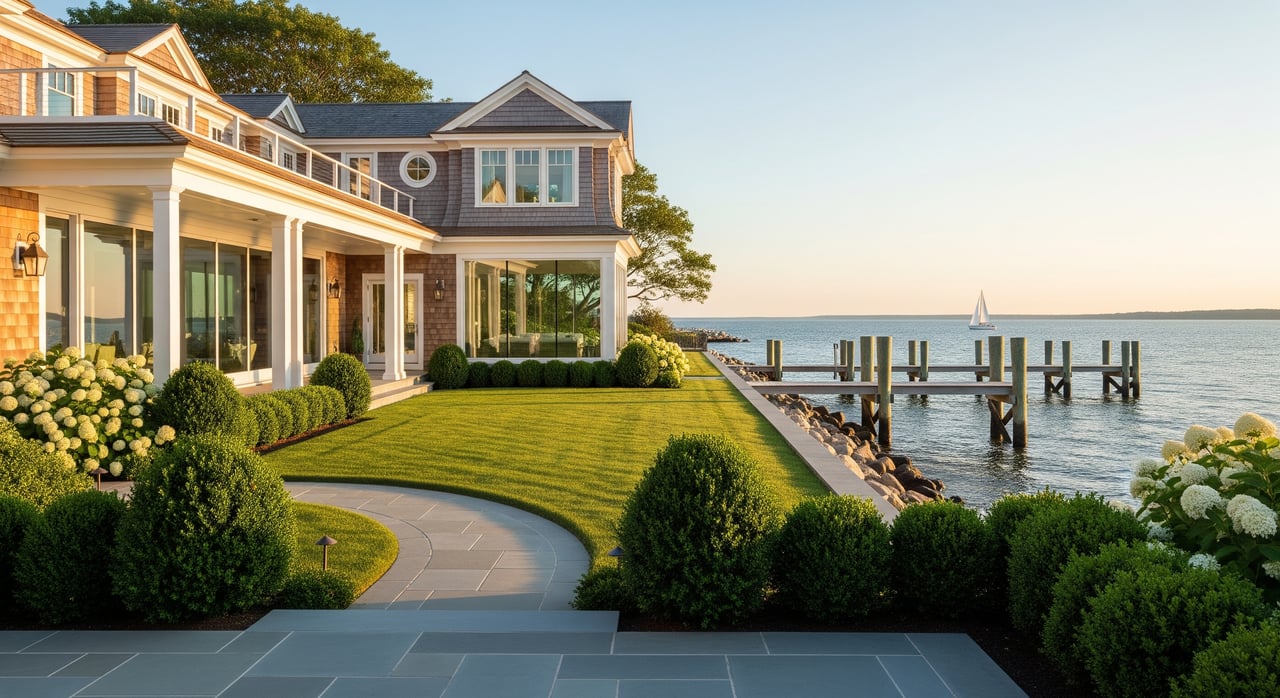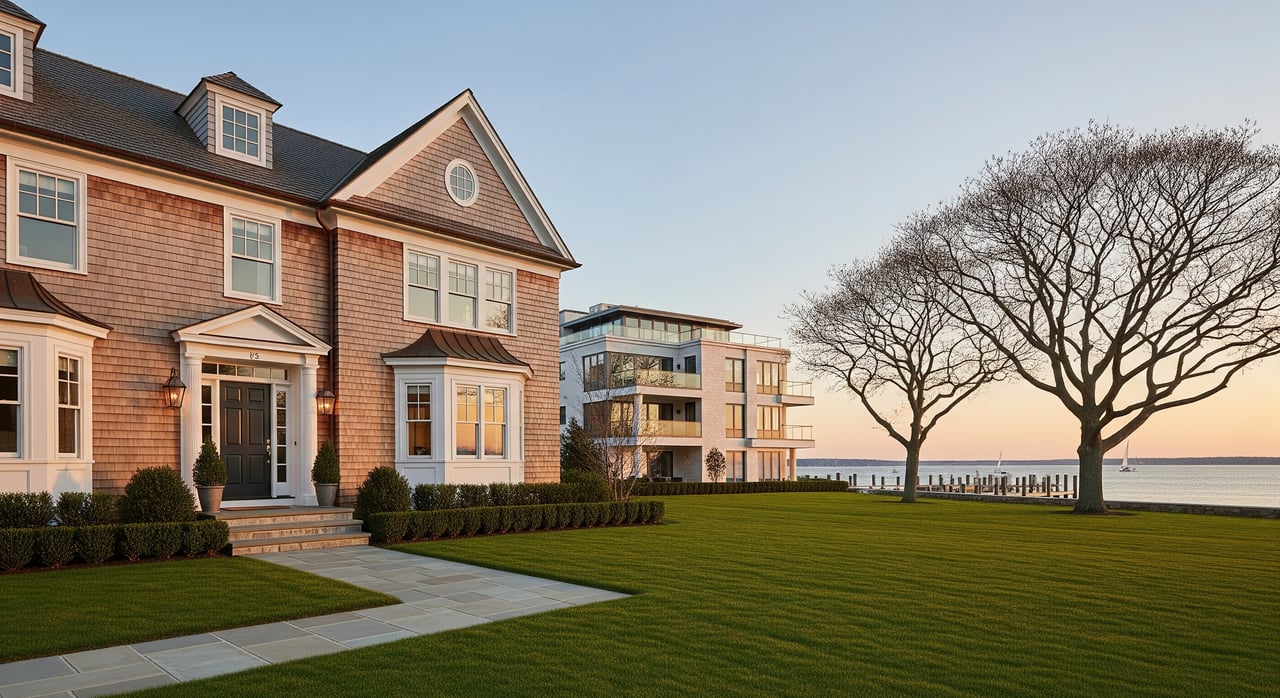
Curious about condo-hotel living in Greenwich? If you want the privacy of a home with the ease of hotel services, you’re not alone. This guide explains what a condo-hotel is, how it compares to traditional condos and short-term rentals, and what to verify before you buy in Fairfield County. You’ll also find a clear checklist, local considerations, and a discreet local reference to help you move forward with confidence. Let’s dive in.
What a condo-hotel is
A condo-hotel is a building where you own a condominium unit while an on-site operator runs the property like a hotel. You can use your residence for personal stays, then place it in the hotel’s rental program when you are away. Income from short-term guests is typically shared with owners after operating costs and management fees.
Hotel-style services you may see
- Front desk and concierge coverage
- Housekeeping by stay or on a schedule
- Central reservations and pricing management
- On-site dining or room service, fitness, spa, and valet parking
- Guest billing and collection of lodging or occupancy taxes for transient stays
The core agreements
- Unit ownership: fee simple condominium with a deed and monthly association dues
- Rental management or operating agreement: rules for reservations, cleaning, and revenue sharing
- Condominium declaration and bylaws: building rules, budgets, and hotel-related provisions
- Operator agreement: the developer’s contract with a hotel brand or management company
How condo-hotels differ
Condo-hotels are not traditional condos and they are not peer-to-peer short-term rentals. Knowing the differences helps you set the right expectations.
Use and occupancy
- Traditional condo: often owner occupied or rented on annual or monthly leases
- Condo-hotel: designed for transient nightly stays when not in owner use
Fees and income
- Traditional condo: HOA dues fund maintenance, reserves, and common utilities
- Condo-hotel: dues may include or support hotel services and staffing; owners receive a share of rental income after costs
Governance and rules
- Traditional condo: HOA governance centers on residential use
- Condo-hotel: building documents and rental agreements prioritize hotel operations, owner-use calendars, and rental pool terms
Financing eligibility
Condo-hotel units often face stricter underwriting. Many conventional, FHA, and VA programs have project rules that exclude or add conditions for hotel-style operations. This can increase down payment needs and limit lender options.
Taxes and compliance
Operators typically collect and remit lodging or occupancy taxes for transient stays. You receive net rental income and report it for federal tax purposes. Short-term rentals outside a hotel program may be regulated differently by local authorities.
Buyer benefits and trade-offs in Greenwich
Greenwich attracts buyers who value privacy, service, and proximity to New York City. A condo-hotel can deliver lock-and-leave convenience with potential rental income when you are away. Hotel operations, branding, and quality of management can also support occupancy and daily rates.
There are trade-offs. Financing can be more specialized, fees may be higher to cover services, and owner-use can be limited by calendars or blackout periods. The resale market is narrower since future buyers must be comfortable with shared hotel operations and income-based valuation.
How the rental program works
Each project sets its own rules. Most programs allow you to reserve personal stays, then place the unit into a pooled rental program. Income is shared after operating costs like housekeeping, reservations, marketing, and staffing.
Key items to confirm:
- Is participation in the rental program mandatory or optional?
- Exact revenue split, management fee, housekeeping fee, and any franchise or marketing fees
- Owner-use windows, reservation priority, and blackout dates in peak seasons
- Whether you can rent outside the program and what access you lose if you opt out
- How transient taxes are collected, shown on your statements, and remitted
Financing and appraisals
Because condo-hotels operate like hospitality assets, many projects are not eligible for conventional agency loans. Portfolio lenders, non-conforming products, or cash are common. Work with a mortgage broker who has placed loans in condo-hotel buildings.
Appraisals may weigh both comparable sales and the project’s marketability. Limited comps and shifting rental performance can affect valuation swings. Ask your lender how the appraiser will treat rental income, amenities, and brand strength.
Taxes, insurance, and liability
Rental income is generally taxable. Owners often deduct eligible operating expenses, management fees, depreciation, mortgage interest, and property taxes on federal returns. The IRS “14-day rule” excludes rental income only when you rent fewer than 15 days a year and use the property as a residence, which is uncommon in active hotel programs. Consult a CPA for your situation.
Confirm how lodging or occupancy taxes are handled for short stays. The building or operator usually collects and remits these for guests. Ask whether owner stays incur any taxes or fees.
Review the building’s master insurance and your responsibilities under an HO-6 policy. Consider contents coverage, loss-of-rents if applicable, and added liability protection for transient use.
Local rules to confirm in Greenwich
- Zoning and licensing: verify any local permitting for transient lodging with Greenwich Planning and Zoning
- State taxes: confirm Connecticut sales and lodging tax requirements with the Department of Revenue Services
- Local tax offices: check with the Town of Greenwich Tax Assessor or Tax Collector on property and occupancy tax treatment Regulations change. Get written guidance from the appropriate offices before you close.
The Field Point: a local reference
The Field Point is often cited locally as an example of condominium ownership combined with hospitality services in Greenwich. If you are evaluating opportunities, request the project’s rental-program documentation, recent financial statements, and lender eligibility details before making a decision. Also ask for the condominium declaration, bylaws, budgets, and any management or franchise agreements to understand owner-use and revenue terms.
Due diligence checklist
Use this list to focus your review:
Project documents:
- Condominium declaration, bylaws, rules, and budgets for the past 3 years
- Rental management agreement and the operator agreement, including termination rights
- Reserve study, capital plan, and any special assessments
- Annual financials for the rental program with occupancy and average daily rate history
- Insurance summary for the master policy and owner HO-6 scope
Use and operations:
- Owner-use limits, reservation process, and blackout dates
- Housekeeping standards, maintenance responsibilities, and chargeback policies
- Whether you can opt out of the rental pool and the consequences
Financials and fees:
- HOA dues breakdown for hotel services versus reserves and maintenance
- Revenue split, marketing fees, reservation system fees, and staffing costs
- Net payout modeling after taxes and operating costs
Financing and exit:
- Lender options for the specific project and typical down payment ranges
- Appraisal approach and likely comparables
- Buyer pool and resale considerations for the asset type
Red flags:
- Long management or franchise contracts that cannot be terminated
- Lack of transparent historical financials or occupancy data
- HOA assessments subsidizing hotel operations with no clear end
- Loan ineligibility that narrows the buyer pool and limits resale demand
Who to talk to
- Real estate attorney to review all governing and management documents
- CPA or tax advisor to model income, deductions, and depreciation
- Lender or mortgage broker experienced with condo-hotels in Fairfield County
- Condominium manager or HOA to obtain budgets, reserves, and minutes
- Town of Greenwich Planning and Zoning, Tax Assessor, and Tax Collector for permits and taxes
- State Department of Revenue Services for sales and lodging tax guidance
Is a condo-hotel right for you?
If you want a refined, low-maintenance residence with hospitality on call, a condo-hotel can be a compelling fit. You trade some flexibility and financing options for services, turnkey care, and potential income when you are away. The right decision comes from careful document review, clear income and expense modeling, and confidence in the operator’s track record.
For a private, one-to-one conversation about opportunities, owner-use policies, and financing paths in Greenwich, contact the local team you trust. Request a private consultation and residence details through the advisors at New England Land.
FAQs
What is a condo-hotel in Greenwich and how does it work?
- You own a condo unit while an on-site operator runs hotel services; you use your home for personal stays and can place it into a short-term rental program when you are away, with income shared after costs.
How is financing different for condo-hotel units?
- Many condo-hotel projects are ineligible for conventional agency loans; portfolio lenders, non-conforming products, or cash are common, with potentially higher down payments.
What taxes apply to condo-hotel rentals in Connecticut?
- Operators typically collect lodging or occupancy taxes on guest stays; you report rental income for federal taxes and may deduct eligible expenses, so consult a CPA.
Can I live full-time in a condo-hotel in Greenwich?
- It depends on the project; review owner-use limits, reservation rules, and any maximum stay policies in the condominium documents and rental agreement.
What insurance do I need as an owner?
- The building’s master policy covers common areas; you typically carry an HO-6 for interior contents and consider added liability and loss-of-rents coverage for transient use.
What should I review before buying into a condo-hotel?
- Request the declaration, bylaws, budgets, rental and operator agreements, financial statements with occupancy and ADR history, insurance summaries, and lender eligibility details.