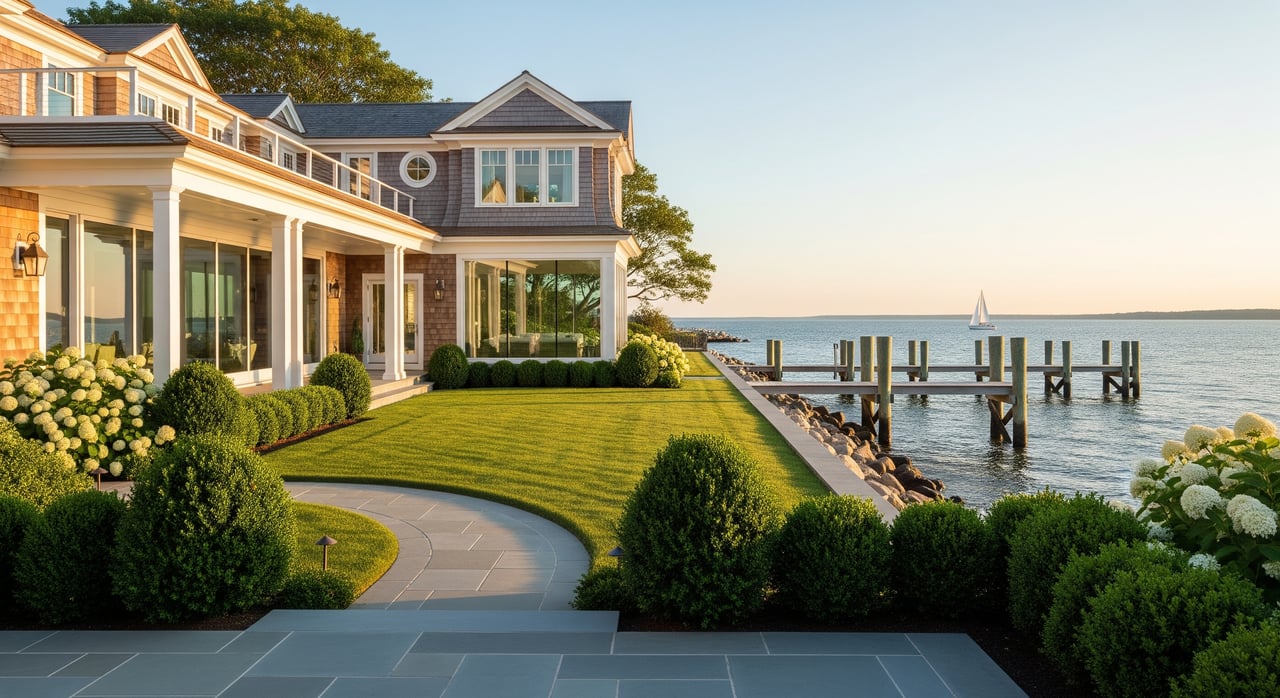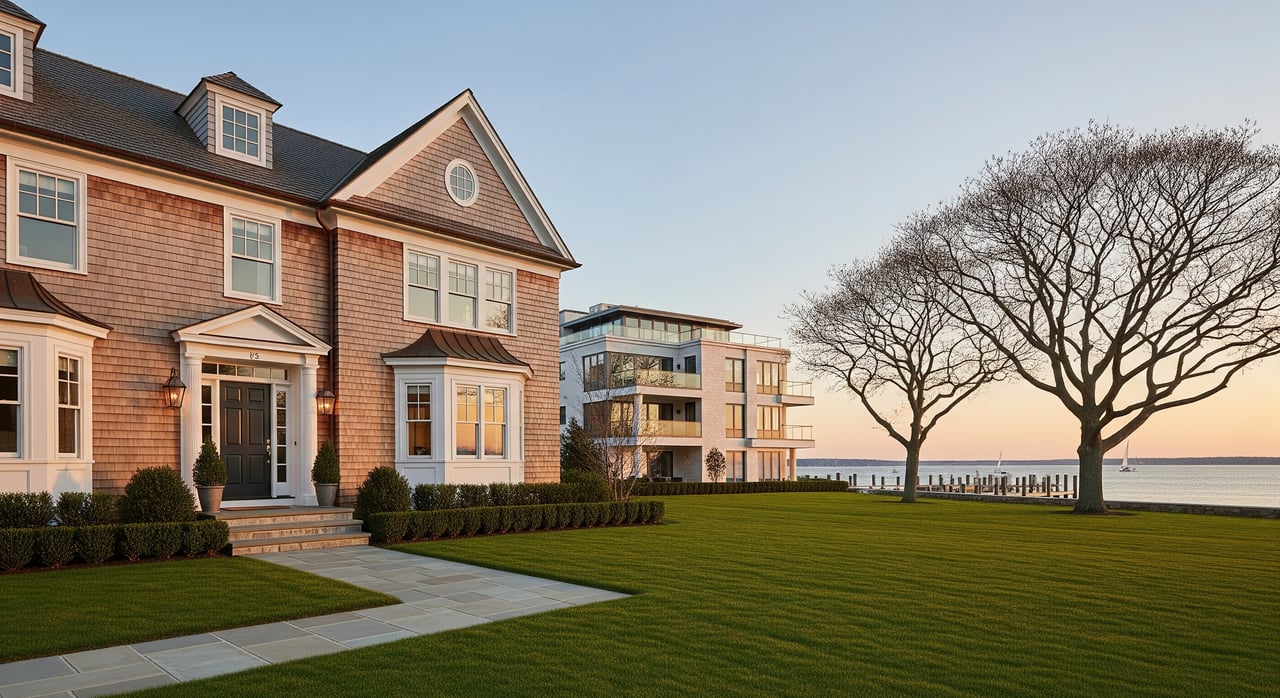
Thinking about a lock-and-leave coastal home near the village, train, and beach without the upkeep of a house? Old Greenwich offers a refined condo market with thoughtful design, practical amenities, and a lifestyle that fits busy schedules. In this guide, you’ll learn what luxury looks like here, how much you can expect to pay, what amenities and HOA coverage are typical, and the key due-diligence steps to take before you tour. You’ll also get local insights on commuting, flood risk, and parking. Let’s dive in.
What luxury condos cost in Old Greenwich
Luxury means different things here, and prices reflect that. Entry-level commuter condos in garden or low-rise complexes often trade in the low-to-mid hundreds of thousands, with some recent 1-bedroom examples closing in the mid-$300,000s.
The mid-luxury band, where you’ll find many 2–3 bedroom homes in established communities near the village, typically ranges from about $800,000 to $1.6 million. These units often read like attached townhouses with private terraces and garage parking.
At the top, larger townhouse-style or rare waterfront and large-footprint condos can reach the low-to-mid seven figures and, for standout units or new construction, approach or exceed $2 million. Inventory is limited, and exact pricing depends on size, condition, location, and community amenities.
Where you’ll find them and how they live
Building types you’ll see
- Garden and low-rise communities from the 1970s–1990s with landscaped courtyards, covered or underground parking, and storage. These are popular with commuters and downsizers who want simple, efficient living.
- Townhouse-style clusters that feel like attached homes. These often define the luxury segment in the village core, with multi-level floor plans, private terraces, and garage parking.
- Smaller mid-century conversions and occasional newer infill buildings close to the train and shops.
Finishes buyers expect
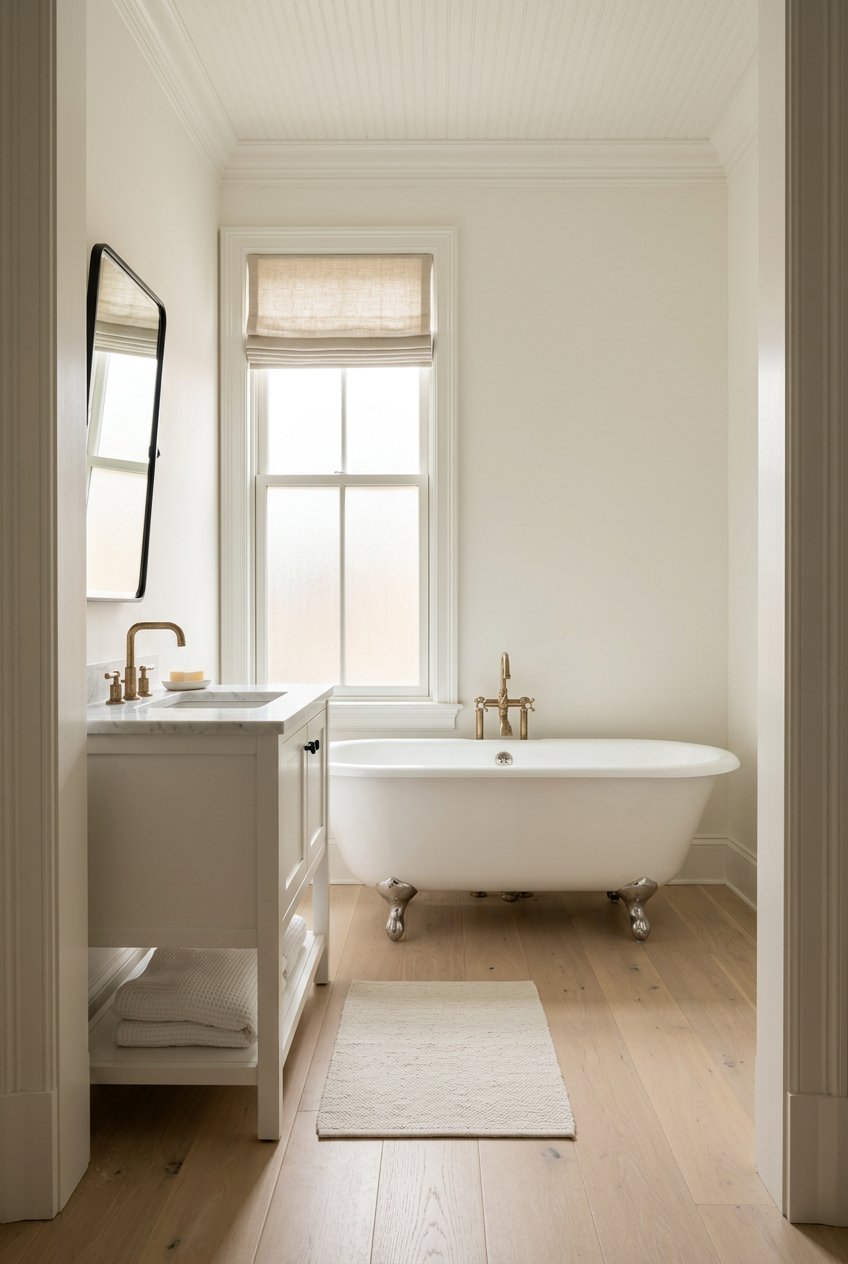
Higher-end Old Greenwich condos often feature engineered or wide-plank oak floors, crown molding, gas fireplaces, and well-planned storage. Kitchens tend to be chef-ready with Thermador, Viking, or Sub-Zero appliances and stone or quartz counters. Primary baths lean spa-like with marble or porcelain tile and clean, classic fixtures. Local listings and coverage show this mix of turnkey comfort and elevated detail, including recent features on renovated Old Greenwich units with polished finishes and updated plans. You can see examples of this finish level in a recent local piece on a renovated Old Greenwich condo with wide-plank floors and stone-clad baths in a village complex. For design context, look at the finishes highlighted in this Greenwich Time feature on a turnkey Old Greenwich condo.
Amenities that define luxury living
Luxury communities in Old Greenwich usually focus on lifestyle and ease rather than full-service staffing. You’ll commonly find:
- Heated outdoor pools, fitness or exercise rooms, and a clubhouse or lounge
- Secure underground or covered parking and storage lockers
- Landscaped courtyards and walkable paths
Concierge or doorman services are uncommon in the village-area complexes. Those are more typical of central Greenwich or newer high-rise projects. In Old Greenwich, you usually trade a doorman for practical perks like garage parking, guest spaces, and on-site recreational amenities.
HOA dues and what they cover
Monthly condo fees vary widely by building, size, and amenity package. Many Old Greenwich associations cover landscaping, snow removal, trash, common-area and building insurance, exterior maintenance, and management. Some communities also include heat and hot water in their common charges. Always ask for a detailed inclusions list.
Connecticut’s Common Interest Ownership Act governs how associations keep records, prepare annual budgets, and disclose information. Buyers have a right to review key association documents. For specifics on records and owner access, review Connecticut General Statutes Section 47-260.
Special assessments and reserves
Understanding reserves and potential assessments is essential. Boards can levy special assessments within state rules. As a buyer, you should verify whether any assessments are pending or planned and ask for the most recent reserve study and budget. Learn more about assessment procedures in Connecticut General Statutes Section 47-261e.
How condo life compares to a house in Old Greenwich
- Maintenance and time: You trade weekend yard work for a monthly dues line item. The association handles landscaping, plowing, and exterior upkeep, which makes life easier for frequent travelers and part-time residents.
- Costs: Your monthly housing cost includes mortgage, HOA dues, property taxes, and, if applicable, flood insurance. Dues shift some variable upkeep into a predictable fee, but special assessments can add surprises if reserves are thin.
- Privacy and space: Condos usually offer less private outdoor space and limited options for exterior changes compared with single-family homes. Many buyers accept that trade for proximity to the train, village amenities, and Tod’s Point.
- Market dynamics: Larger, well-located condo communities are limited, so updated, move-in-ready units near the village often attract strong interest when priced well.
Local lifestyle details to factor in
- Commuting: Old Greenwich has its own Metro-North stop on the New Haven Line. Depending on the schedule, travel time to Grand Central is commonly about 45 to 70 minutes. Check the current timetable for exact runs and stopping patterns. For a planning reference, see this Old Greenwich to Grand Central overview.
- Flood and insurance: Old Greenwich’s coastal setting means some properties lie in FEMA flood zones, especially near Greenwich Cove and Tod’s Point. Always confirm the building’s flood-zone status and get quotes early. Flood insurance can materially affect your carrying costs. You can learn about coverage basics and quotes through resources like this overview of flood insurance in Old Greenwich.
- Parking and train-lot logistics: Many condo communities offer assigned garage or covered parking, but guest parking and train-lot permits vary. Some municipal lots have waitlists. Confirm your unit’s parking rights, guest policies, and any local permit details during due diligence.
- Schools: Old Greenwich is served by Greenwich Public Schools. If school assignment matters to you, confirm current boundaries directly with the district at the time you buy.
Your due-diligence checklist
Request these items before or when you go under contract. They will save you time and help you avoid surprises.
- Association resale package or estoppel letter
- Current HOA dues and what they include (heat, hot water, landscaping, snow removal, insurance)
- Any delinquent owners, pending assessments, and current reserve balances
- Bylaws, declaration, and rules
- Connecticut law sets record-keeping and disclosure expectations. For owner access to records, see Section 47-260.
- Financials and reserves
- The most recent annual budget and three years of financial statements or tax filings
- The latest reserve study or reserve schedule and any capital plan
- Meeting minutes
- Owner and board minutes for the last 12–24 months
- Watch for repeated vendor disputes, deferred maintenance, litigation, or major rules changes
- Insurance summary
- Association policy limits and deductibles
- Any coverage gaps that would fall to your HO-6 policy
- If the building is coastal or in a flood zone, confirm whether separate flood insurance is required and get quotes early. See this Old Greenwich flood insurance primer.
- Rules that affect daily life
- Rental restrictions, pet policies, parking and storage rights, and any short-term rental bans
- Flood documentation, if applicable
- Elevation certificates, FEMA map determinations, and any claim history
- Ask your insurer to compare NFIP and private quotes before you waive contingencies
- Financing considerations
- Ask your lender early about building-level underwriting rules, including owner-occupancy ratios, litigation, and project approval. Condo project acceptance varies by lender.
Touring tips for luxury condos
Bring a simple checklist to showings and pre-inspections so you can compare apples to apples.
- Parking and storage: Confirm your assigned space location and size. Note ceiling heights, turning radii, and whether your storage locker meets your needs.
- Building condition: Look for water intrusion signs, check shared entryways and hallways, and if there is an elevator, note its condition and service records if available.
- Amenities: Visit the fitness room, pool area, and club spaces. See how they are maintained and whether there are posted rules that would affect how you use them.
- Capital work: Ask about roof age, recent facade or mechanical work, and how those projects were funded. If special assessments were used, review the notice and payment schedule. For how assessments work in Connecticut, refer to Section 47-261e.
Who buys luxury condos here
You’ll see a few common profiles. Many are downsizers who want a simpler, one-level or low-maintenance home close to shops, dining, the train, and Tod’s Point. Others are frequent New York City commuters or second-home buyers who want a refined, serviceable base with easy access to Manhattan. You’ll also find small households who prefer village convenience and an amenity-rich setting over the upkeep of a single-family house. If schools matter, confirm current Greenwich Public Schools boundaries before you make an offer.
Ready to explore Old Greenwich condos?
If you want village convenience, coastal access, and a low-maintenance home, the Old Greenwich luxury condo market delivers a compelling mix of design and ease. With the right homework on HOA budgets, reserves, and flood risk, you can buy with confidence and enjoy a lifestyle that fits your calendar.
For private guidance tailored to your goals, connect with the team that knows Greenwich’s luxury condo landscape well. Reach out to New England Land to request a private consultation and residence details.
FAQs
How much are HOA fees for luxury condos in Old Greenwich?
- Fees vary by building, size, and inclusions. Ask for the current dues schedule and a list of what’s covered, such as heat, hot water, landscaping, and insurance. Connecticut law gives owners access to association records and budgets under Section 47-260.
Are pets and rentals allowed in Old Greenwich condo communities?
- Rules differ by building. Review the declaration, bylaws, and house rules for details on pet policies, rental terms, and whether short-term rentals are prohibited.
Do I need flood insurance for a condo in Old Greenwich?
- If the building is in a FEMA flood zone, lenders usually require flood insurance, and it is wise to get quotes even if not required. Start early and compare options using resources like this Old Greenwich flood insurance overview.
What is the commute like from Old Greenwich to Manhattan?
- Metro-North’s New Haven Line serves Old Greenwich. Depending on the train, travel time to Grand Central is typically about 45–70 minutes. Check current runs using this Old Greenwich to Grand Central guide.
Are luxury condos a better investment than a house in Old Greenwich?
- It depends on your goals. Condos trade private yards for low maintenance and village convenience, while houses capture more of the top waterfront pricing. Use current local comps and your intended use to decide which option fits best.