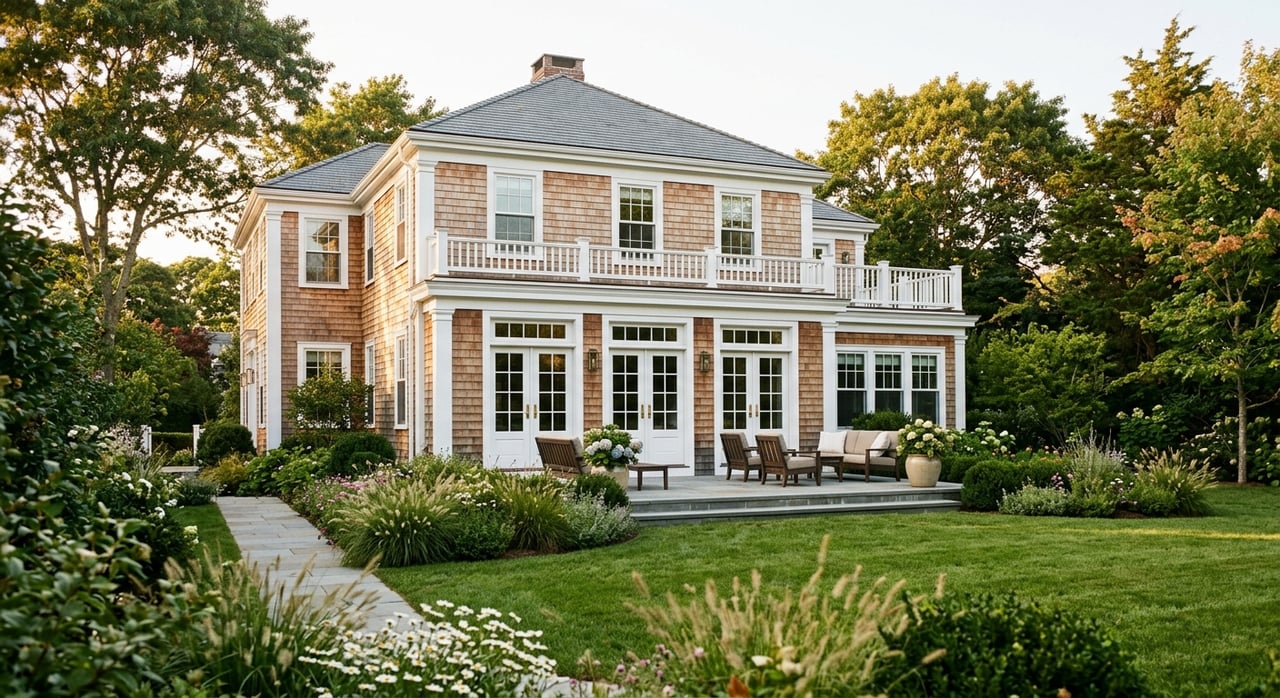
Picture this: you leave Manhattan after work, step off the train, and trade city noise for salt air, tree-lined streets, and a shoreline rhythm that feels a world away. If you want coastal Connecticut without giving up practical rail access to New York City, Riverside deserves a closer look. This guide will help you understand why Riverside appeals to NYC-bound buyers, what day-to-day life looks like nearby, and what to verify before you buy. Let’s dive in.
Why Riverside Stands Out
Riverside is a neighborhood within Greenwich, and its appeal goes beyond the idea of a simple commuter stop. Greenwich describes a broader coastal setting that includes 27 miles of shoreline, 30 islands, and 8 harbors along Long Island Sound. That context matters if you want a home base that feels connected to the water as well as to the city.
Riverside also sits within a part of Greenwich that supports a coastal lifestyle with access to parks, boating facilities, and nearby village conveniences. For many buyers, that combination is the draw. You are not choosing between shoreline character and weekday practicality. You are looking at a place that can offer both.
Riverside for NYC Commuters
For buyers with regular ties to Manhattan, the train connection is one of Riverside’s clearest advantages. Riverside station is on Metro-North’s New Haven Line, and Metro-North notes that the New Haven, Harlem, and Hudson Lines operate from Grand Central Terminal. That gives you a direct link to a major New York transit hub.
At the station itself, Metro-North says Riverside has two ticket machines and no ticket office. The town’s station map also identifies permit parking and day parking around the Riverside railroad station. If your goal is to keep weekday movement straightforward, those details can shape how convenient the station feels in real life.
There is one important access detail to know before you rely on the station for everyday travel. Metro-North states that the Riverside platforms are ramp-accessible, but there is no accessible path between the platforms. The nearest fully accessible stations on this line are Stamford and Greenwich.
For many buyers, Riverside works best when you want a shoreline setting that still supports a Manhattan routine. It can suit a primary residence, a second home with weekday city access, or a lock-and-leave pattern that balances work and leisure.
The Coastal Lifestyle Nearby
A big part of Riverside’s appeal is what happens when the workweek ends. Greenwich offers a range of shoreline and outdoor amenities that shape the local lifestyle, especially during the warmer months. If you want weekends that include beach walks, boating, or time outside without a long drive, this area checks important boxes.
Greenwich Point Park in nearby Old Greenwich is a 147.3-acre town beach and recreation facility. The town says it includes beaches, trails, a boat yard, and a launch for boats and kayaks. Park passes are required from May 1 through October 31, so it is wise to understand the seasonal structure if beach access is high on your list.
Also in Old Greenwich, Binney Park offers 33 acres with walking paths, stone bridges, a gazebo, tennis, soccer, baseball, and picnic space. It is the kind of nearby amenity that can make everyday life feel fuller without requiring elaborate planning. Sometimes the value of a location is not just the big destination, but the easy, local places you return to often.
On the west side of Greenwich, Byram Park adds another layer to the town’s coastal recreation mix. The town says Byram Park includes a beach, pool, boat club, marina, boat launch, sports fields, and walking trails. Even if you do not use every facility, it speaks to the range of ways Greenwich supports life near the water.
Boating in Greenwich
If you are drawn to the Sound, boating access is an important piece of due diligence. Greenwich says its boating system includes Byram, Cos Cob, and Grass Island marinas, along with the Greenwich Point boat yard. A valid Facility Use Permit is required, and the facilities are open from April 15 through November 15.
The town also notes that winter storage is available from September 1 through June 15. Mooring locations are managed by the Harbor Master, and Greenwich says Greenwich Harbor is shallow with few suitable mooring locations. The town also states that Cos Cob Harbor does not have public mooring fields.
For buyers coming from Manhattan, this points to a specific kind of shoreline ownership pattern. Greenwich can support a well-planned boating season, but it is not a place to assume spontaneous, year-round marina access without checking the rules and availability first. If boating is central to your decision, verify permits, storage options, and any mooring realities early in the process.
Village Conveniences Near Riverside
A coastal address works best when daily life is easy. Greenwich identifies its major shopping areas as downtown Greenwich, Byram, Cos Cob, and Old Greenwich. For Riverside buyers, nearby Old Greenwich is especially relevant because it adds a village layer to the shoreline setting.
The town approved an Old Greenwich Village District Overlay for Sound Beach Avenue properties in the Old Greenwich Business District. In its staff report, the area is described as walkable to shops, services, restaurants, and the train. For buyers who want a lifestyle that feels polished but not overcomplicated, that kind of nearby convenience can be a major plus.
Local amenities also include Perrot Memorial Library in Old Greenwich, Cos Cob Library, Greenwich Library, and the Cohen Eastern Greenwich Civic Center in Old Greenwich. These are practical places that support day-to-day living and help round out the area beyond the shoreline image. When you are comparing communities, small conveniences often shape long-term satisfaction more than you expect.
What Riverside May Suit Best
Riverside can be a strong fit if you want a home that supports both city access and coastal downtime. That may mean a primary residence with a train routine during the week. It may also mean a second home where you can arrive for weekends and longer stays without a heavy maintenance burden.
This is especially relevant for buyers who value a lock-and-leave pattern. Greenwich’s parks and recreation system uses OnePass for parks, golf, tennis, and pickleball, and many beach or ferry tickets follow the annual season calendar. That structure can work well if you prefer a planned, seasonal rhythm rather than expecting every waterfront amenity to operate the same way year-round.
For some buyers, that balance is exactly the point. You get the possibility of shoreline living, train access, and nearby services in one setting, with a cadence that fits weekend use, second-home ownership, or a more flexible way of living between New York and Connecticut.
Due Diligence for Waterfront Buyers
If you are considering Riverside or any coastal part of Greenwich, due diligence matters. Greenwich’s Emergency Information page tells shoreline residents to know their evacuation zone during hurricanes, tropical storms, or other flooding events. The town also maintains a Coastal Resiliency Assessment and a Flood and Erosion Control Board.
That means waterfront and near-water buyers should verify flood zone status, insurance considerations, and evacuation-zone information as part of the buying process. These checks are not just paperwork. They help you understand how a property may function in different seasons and weather conditions.
It is also smart to confirm how your intended lifestyle lines up with local rules. If you expect beach access, boating use, marina storage, or station parking to play a major role in daily life, verify the current permit and access details before you move forward. Clarity now can save frustration later.
Why This Matters for Luxury Buyers
For buyers seeking a refined Greenwich foothold, Riverside reflects a broader lifestyle logic that is worth understanding. The attraction is not only the neighborhood itself, but the overlap of rail access, coastal recreation, and village-scale convenience nearby. That combination can feel especially compelling when your time is limited and ease matters.
If you are searching for a home that supports commuting, weekend entertaining, or a more graceful second-home rhythm, Riverside belongs on the shortlist. In Greenwich, convenience and coastal character do not always come together so neatly. When they do, buyers tend to notice.
For those considering a more service-forward way to live in Greenwich, boutique ownership options can also complement this lock-and-leave mindset. To explore that approach and request residence details, connect with New England Land.
FAQs
Is Riverside in Greenwich a good fit for NYC-bound buyers?
- Riverside can appeal to NYC-bound buyers because it is on Metro-North’s New Haven Line and offers access to Greenwich’s broader coastal setting.
What should buyers know about Riverside train access?
- Riverside station has two ticket machines and no ticket office, and while the platforms are ramp-accessible, there is no accessible path between them.
What coastal amenities are near Riverside in Greenwich?
- Nearby Greenwich amenities include Greenwich Point Park, Binney Park, and access to the town’s boating and marina system.
What should waterfront buyers verify in Riverside or Greenwich?
- You should confirm flood zone status, insurance considerations, evacuation-zone information, and any permit rules tied to boating, beach access, or parking.
Does Greenwich boating access operate year-round?
- Greenwich says its boating facilities operate seasonally, with facilities open from April 15 through November 15 and winter storage available on a separate seasonal schedule.