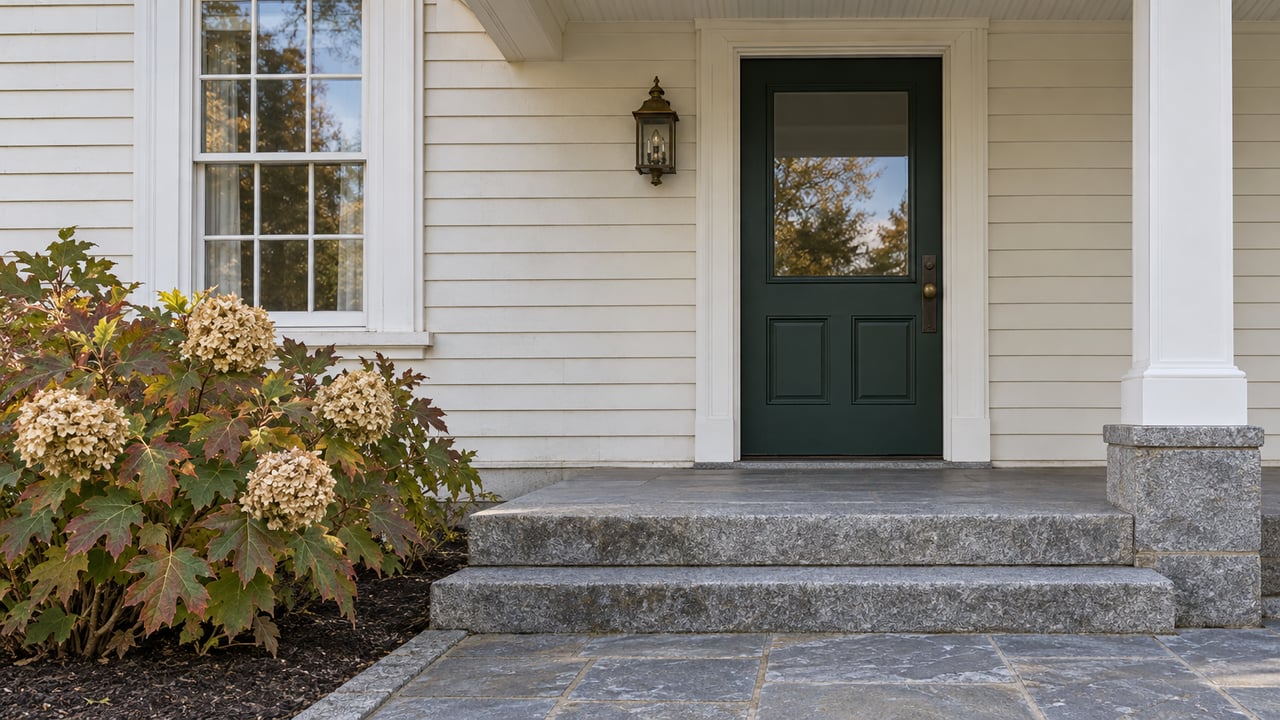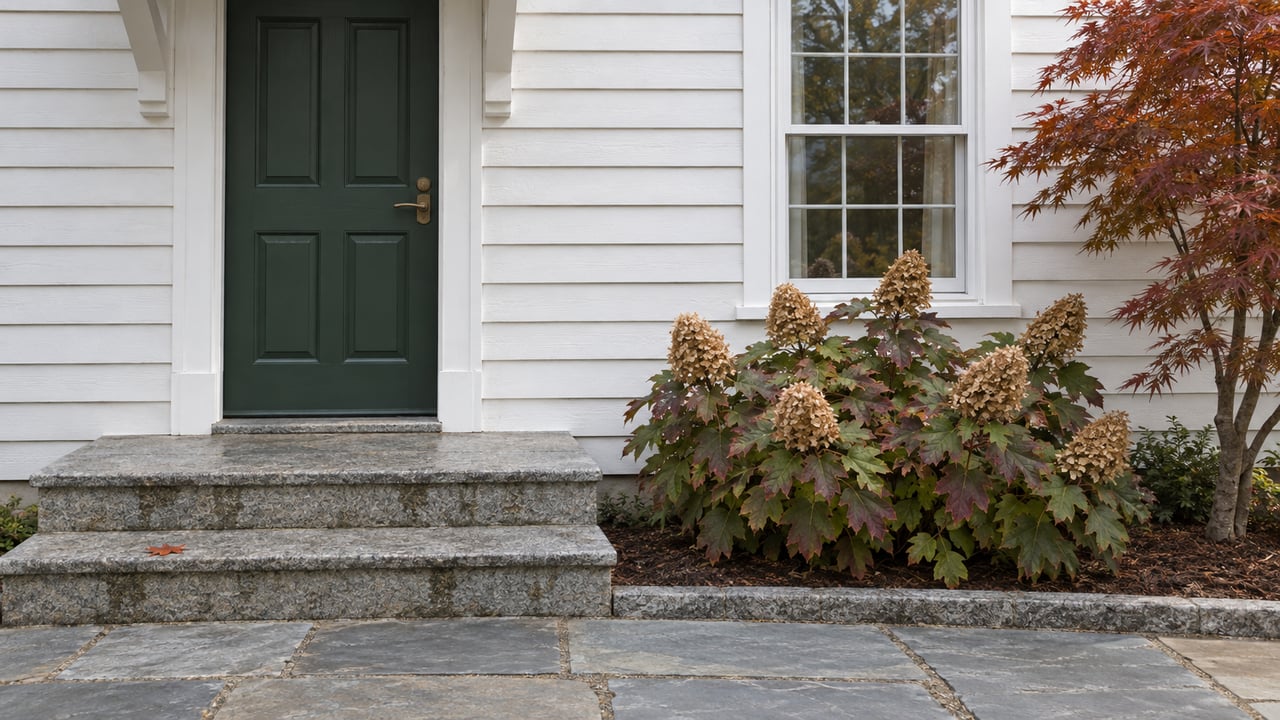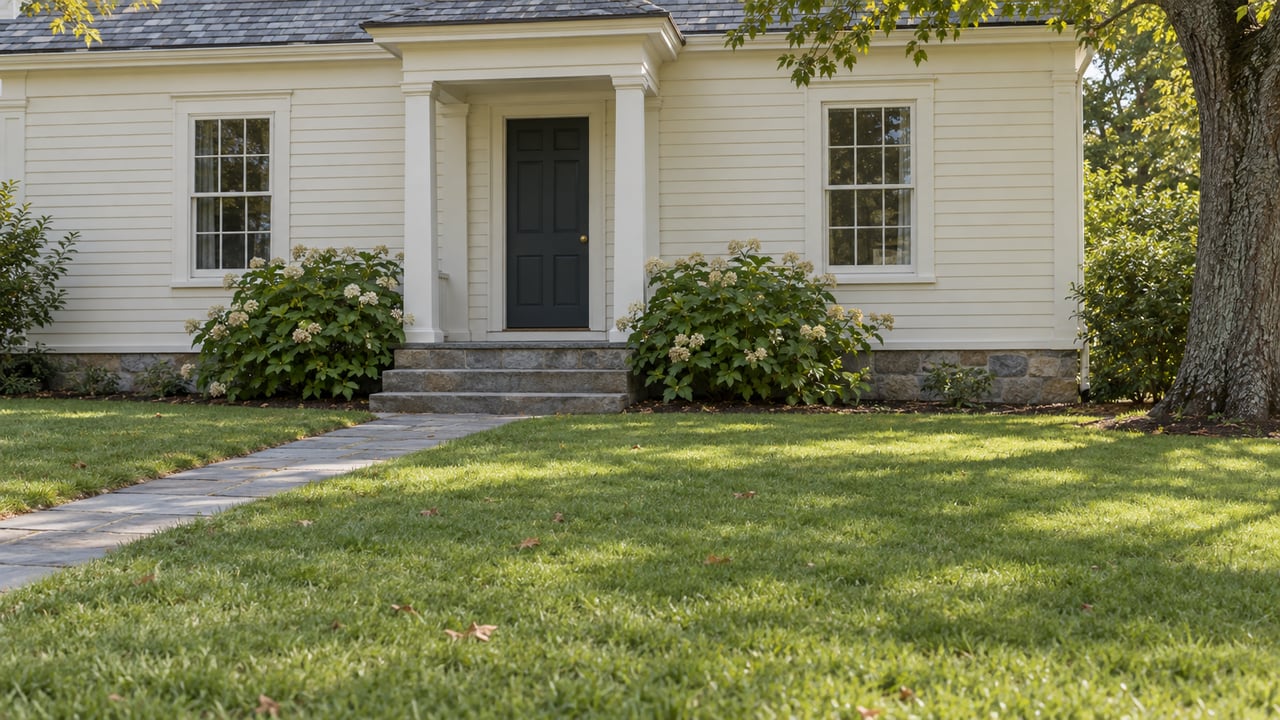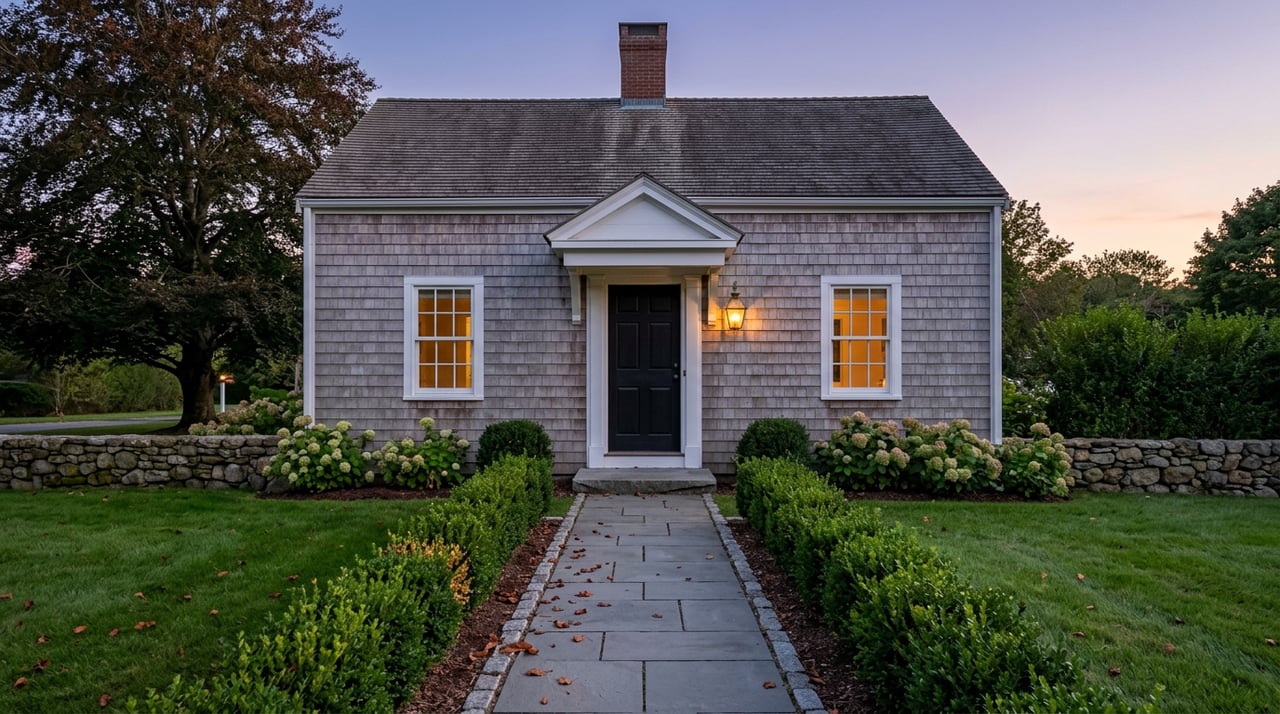
If you are weighing executive or corporate housing in Greenwich, the usual choices can feel incomplete. A standard rental may lack service, while a traditional hotel may not offer the privacy or ownership structure you want. In a market defined by proximity to New York City, strong incomes, and walkable access to rail and downtown amenities, condo-hotels deserve a closer look. Here is how to think about the model in Greenwich, and why it may fit both decision-makers and buyers considering The Field Point Greenwich.
Why Greenwich Fits Executive Housing
Greenwich has several traits that support executive and corporate lodging. According to the U.S. Census Bureau QuickFacts for Greenwich town, the town had an estimated 2024 population of 64,594, with a 2020 to 2024 median household income of $206,130 and per capita income of $137,685. That income profile, paired with commuter convenience, helps explain why Greenwich can support a high-service lodging niche.
The Town of Greenwich also describes the community as the nearest Connecticut town to New York City and notes its location on the mainline of Metro-North Railroad. In central Greenwich, you are within walking distance of Greenwich Avenue, the train station, the Bruce Museum, and daily conveniences. For an executive on assignment, that can make day-to-day logistics much easier.
Greenwich also appears to have a relatively limited boutique lodging base. The town’s tourism and cultural assets list names four lodging properties: Delamar Greenwich Harbor, Homestead Inn, Hyatt Regency Greenwich, and The J House Greenwich. While that is not a complete hotel census, it does suggest a more selective lodging landscape than you might expect in a high-income suburban market.
What a Condo-Hotel Offers
A condo-hotel sits in a space between private residence and hotel stay. For executive housing users, that can be appealing because it combines a more intimate setting with hospitality services. For buyers, it can also create a different ownership proposition than a standard condominium or rental property.
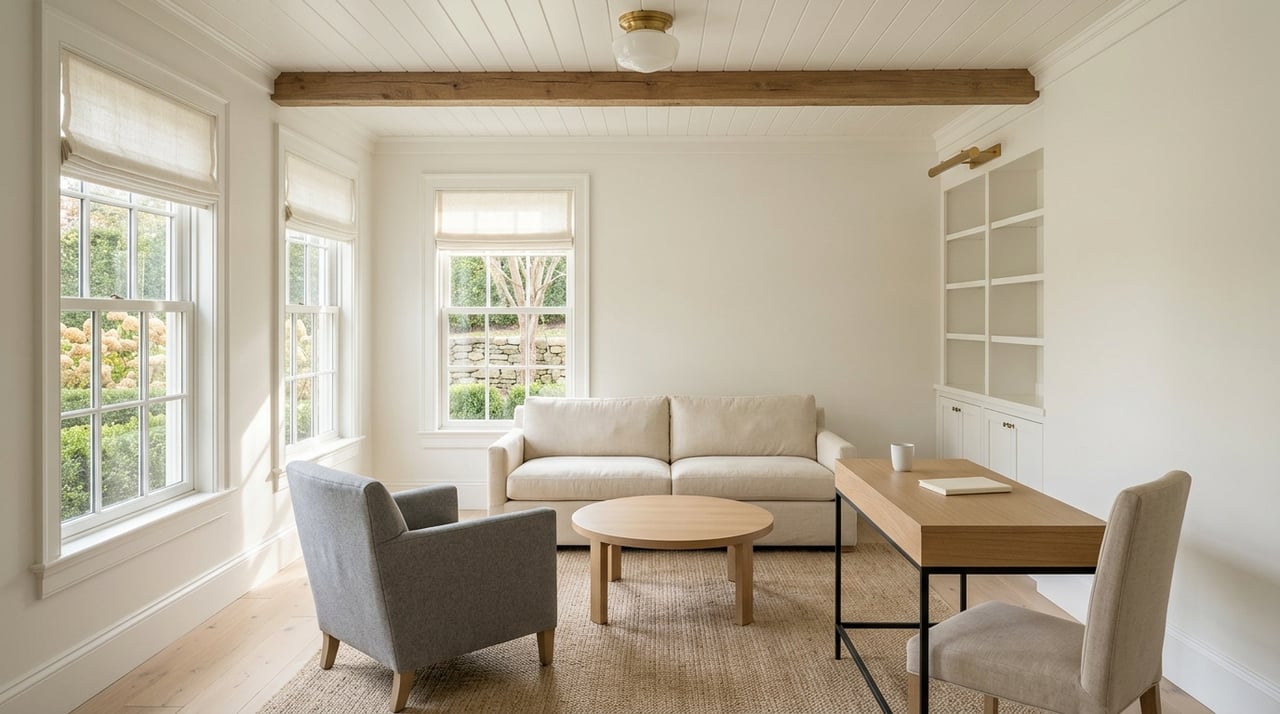
At The Field Point Greenwich, the project is described as a luxury condominium hotel in Belle Haven. The suites include wet-bar areas, high-speed Wi-Fi, spa-quality bathrooms, dedicated HVAC, and a secure study area. Those details matter in executive housing because they support both work routines and short-term comfort.
The property’s amenities program lists management, room service, laundry service, concierge, valet, maid service, turndown service, onsite parking, and offsite car storage, subject to participation. That service stack is one of the clearest distinctions between a condo-hotel and a more conventional residential option.
Why Field Point Stands Out
Field Point is not positioned like a large apartment complex or a standard flagged hotel. Its scale is smaller, more discreet, and more service-forward. That can appeal to corporate housing managers who want a polished experience for travelers, and to buyers who value ownership in a hospitality-backed setting.
Public reporting on the town review process described the suites as hotel suites without full kitchens, using under-counter mini bars and small bar sinks, along with a reception desk, concierge services, and daily maid service. The approved application reduced guest rooms from 19 to 14 through guestroom suites and added 9 parking spaces, pointing to a small hospitality-style operating model rather than a conventional apartment building. You can read that reporting in Greenwich Free Press.
That distinction is important. If you are evaluating Field Point for executive housing, you are not simply comparing it to a typical condo. You are comparing a boutique, hotel-style residence with work-ready features and service layers to other lodging and residential formats that serve a different purpose.
Executive Housing Benefits
For the right use case, a Greenwich condo-hotel can solve several problems at once.
Better daily convenience
Executives on assignment often need easy arrivals, simple departures, and a quiet place to work. A suite with high-speed Wi-Fi, a secure study area, and hotel services can reduce friction compared with setting up a short lease in a standard rental. It can also feel more composed than moving between larger hotels.
Stronger location efficiency
Central Greenwich offers walkable access to shopping, dining, cultural amenities, and the train. The town’s page for Greenwich Station notes that the station is accessible and includes ticket machines, a waiting area, and restrooms. For commuters and visiting executives, that rail access is a practical advantage.
A more tailored guest experience
Compared with a traditional hotel, a smaller property can feel quieter and more private. Compared with a rental, it can deliver more service. That balance may be especially useful for relocation stays, project-based assignments, or recurring visits tied to Fairfield County and New York business.
How to Compare Condo-Hotels
Before you move forward, it helps to compare the condo-hotel model with more familiar options.
| Option | Best For | Trade-Offs |
|---|---|---|
| Traditional rental | Longer stays needing full residential features | Often fewer hospitality services and less flexibility in setup |
| Standard hotel | Short visits with predictable service | Less ownership orientation and often less privacy |
| Condo-hotel | Executive stays needing service, privacy, and work-ready space | Typically no full kitchen and service terms may depend on program participation |
One of the clearest differences is kitchen functionality. Public reporting on Field Point noted that the suites did not include full kitchens. That means the model may be more compelling for shorter executive stays or service-oriented occupancy than for users who want a full apartment setup.
Tax and Regulatory Points
With condo-hotels, operations matter just as much as design. If you are evaluating the property for executive or corporate use, you should look closely at tax treatment, permitted use, and occupancy documentation.
Town staff described the restaurant and hotel use at 420 Field Point Road as a non-conforming use in the R-20 residential zone. Greenwich zoning enforcement also notes that the Zoning Enforcement Officer and Building Official must sign all certificates of occupancy before they become effective, as shown in the town document for 420 Field Point Road.
Connecticut also applies a 15% room occupancy tax to hotels, motels, lodging houses, and short-term home rentals for stays of 30 consecutive days or less. That tax stops on the 31st consecutive day. For corporate housing planning, that can change the economics of shorter assignments versus longer placements.
The same state guidance, paired with Greenwich’s short-term rental rules cited in the research, also makes clear that residential short-term rental rules do not simply replace hotel use. In practical terms, the operating model matters. A condo-hotel suite may function well for executive lodging, but it still needs to be evaluated within the property’s actual hospitality framework and approvals.
Questions to Ask Before You Buy
If you are considering a condo-hotel suite for executive housing, these are the practical questions worth asking first:
- Which amenities are guaranteed, and which depend on program participation?
- What is the current certificate-of-occupancy status?
- How has the property’s zoning and permit history been documented?
- How will shorter stays versus 30-plus-day stays affect occupancy tax treatment?
- What parking is included for guests, staff, or recurring occupants?
- How should you underwrite returns if service availability changes over time?
These questions are not about creating doubt. They are about treating a boutique hospitality asset with the same care you would bring to any specialized real estate purchase.
A Practical Fit for Greenwich
In Greenwich, a condo-hotel can make sense because the town combines high household incomes, New York commuter access, and a relatively limited boutique lodging set. That creates room for a more curated executive housing option, especially one that offers service, privacy, and a central location.
At Field Point, that appeal is paired with a smaller-scale setting and a hospitality-minded residence experience. You are not choosing between pure hotel and pure condo. You are considering a hybrid that may suit executives, second-home owners, downsizers, and buyers who value turnkey living with a more discreet feel.
If you want to explore whether this model aligns with your goals, New England Land can help you request a private consultation and residence details.
FAQs
What is a condo-hotel in Greenwich?
- A condo-hotel in Greenwich is a property type that combines private ownership with hotel-style operations and services, such as concierge, housekeeping, and room service, depending on the program.
How does executive housing at The Field Point Greenwich differ from a rental?
- Executive housing at The Field Point Greenwich offers hospitality-style services and work-ready suite features, while a traditional rental is more likely to offer full residential features but fewer services.
Does Connecticut room occupancy tax apply to Greenwich condo-hotel stays?
- Yes. Connecticut room occupancy tax applies at 15% to covered stays of 30 consecutive days or less, and it stops on the 31st consecutive day according to the state’s room occupancy tax guidance.
Are Field Point suites designed like full apartments?
- No. Public reporting on the project described the suites as hotel suites without full kitchens, using under-counter mini bars and small bar sinks.
Why is Greenwich a strong market for corporate housing?
- Greenwich offers proximity to New York City, Metro-North access, a high-income local market, and central walkability to dining, shopping, and cultural amenities.
What should buyers review before using a condo-hotel as executive housing?
- Buyers should review amenity participation terms, zoning and permit history, certificate-of-occupancy status, parking, and how short versus longer stays affect tax treatment and operations.